
Broccoli: Properties and Health Benefits
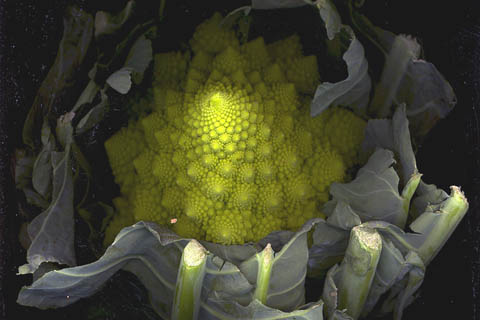
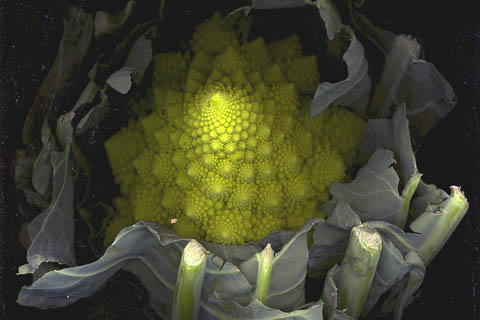
Originally from southern Italy, broccoli from the Latin bracchium, meaning « branch, » a nod to its shape actually encompasses three related vegetables: annual broccoli, the strikingly geometric Romanesco, and the rarer sprouting broccoli. Remarkably low in calories (just 30 kcal per 100g), broccoli is an excellent source of vitamin C. But it’s best known for its associations with lower risk of cardiovascular disease, certain cancers, and age-related eye degeneration.
A member of the cruciferous vegetable family, broccoli contains glucosinolates compounds that convert into biologically active molecules once ingested along with two natural carotenoid antioxidants: lutein and zeaxanthin.
Broccoli and Cardiovascular Health
Homocysteine, sometimes dubbed « the new cholesterol, » is an amino acid produced by the body that contributes to blood vessel deterioration — a risk that increases with age and is of particular concern for postmenopausal women. Research suggests that eating broccoli three to five times a week may help reduce this risk.
Broccoli and Cancer Risk
Broccoli has also been studied for its potential preventive role against certain cancers including ovarian, prostate, and kidney cancer as well as a lower associated risk of colon, stomach, lung, and (in pre-menopausal women) breast cancer.
It’s worth noting these findings come mainly from population studies showing correlation, not proof of direct cause and effect and this protective association appears to extend to cruciferous vegetables as a family, not broccoli alone. Research into broccoli’s active compound, sulforaphane, is ongoing, including in the context of existing cancers, but this remains an active area of scientific study rather than an established treatment.
Broccoli, a Boost for Eye Health
The body cannot produce lutein or zeaxanthin on its own, yet both are essential to vision: lutein is one of the dominant pigments in the macula the « yellow spot » at the center of the retina responsible for central vision while zeaxanthin makes up roughly two-thirds of the retina’s carotenoid content. Since both must come from diet, that’s reason enough to make room for broccoli on your plate.
On top of all this, broccoli remains an excellent source of vitamin C and the icing on the cake: it’s remarkably easy to cook. Just don’t over-steam it, to preserve its nutrients.
There’s no shortage of ways to enjoy it either baked into a gratin with potatoes, folded into a savory tart, blended into a velvety soup, or given the stir-fry treatment, Chinese-style.