
Baobab: The New Superfood?
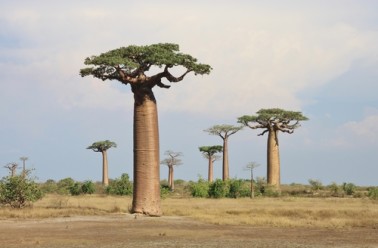
Growing it in your community garden is out of the question baobab only grows in sub-Saharan Africa, a matter of space and climate. Its fruit, encased in an oblong shell up to 30 centimeters long, holds numerous seeds coated in a white pulp.
A nutritional powerhouse
That pulp is already creating a buzz across the Channel. Packed with soluble fiber, it’s a vault of vitamins including vitamin C (reportedly up to six times more than an orange), calcium (several times more than milk), and potassium (multiple times more than a banana), alongside compounds traditionally credited with anti-inflammatory and pain-relieving properties. Monkey bread, as it’s also known, is said to nourish, soothe, and help prevent while being rich in antioxidants. It’s not for nothing that the baobab tree is nicknamed « the tree of longevity. » All of this comes wrapped in a delicious citrus-like flavor.
Its high vitamin C content makes it a natural ally against fatigue, giving that well-known energy boost which is exactly why some manufacturers have started adding baobab to energy drinks and athletes’ snacks.
It’s also making its way into cosmetics: baobab oil is remarkably rich and nourishing, even for the driest, most damaged hair.
While baobab is only now becoming known in the West as a superfood, it has long been valued in Africa for its many traditional uses. (Worth noting: several of these traditional health claims are still being studied by modern research, and haven’t yet been fully confirmed clinically.)
Where and how to find it
Its one real drawback: it doesn’t exactly grow between parked cars over here nor in the UK, for that matter. Which explains why it remains a relative luxury for the wallet. A more affordable option is the natural powder form, which preserves much of its nutritional value and flavor. Otherwise, there’s always the option of booking a trip to taste it fresh, straight from the source.
How to eat it
Conveniently, it requires no lengthy kitchen preparation. Stirred into yogurt or a dessert, dried baobab pulp adds a pleasant tangy note. It’s also available as a dietary supplement, sometimes used to help those recovering from illness regain strength.
One word of caution: baobab is very high in fiber higher than recommended daily intake if overconsumed. A measured, occasional treatment is fine, but it’s not meant to become part of your everyday diet.